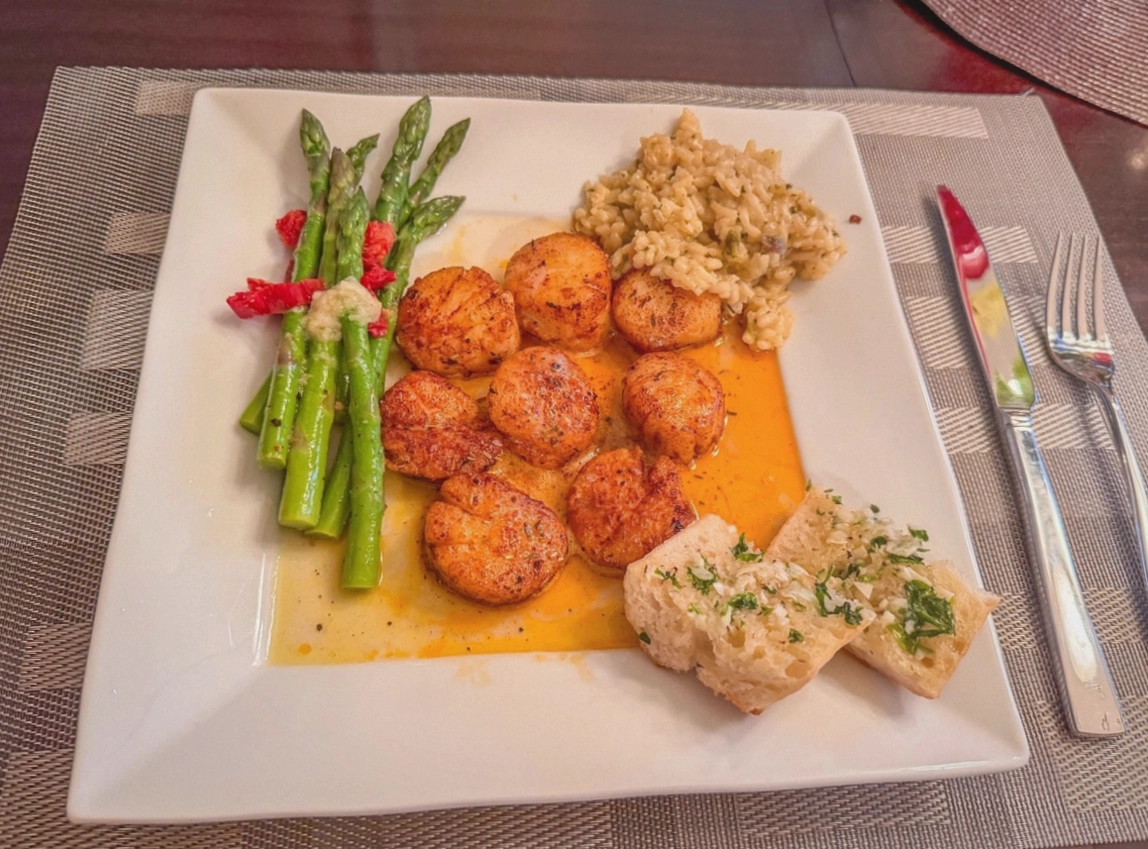
Asparagus tells the story
Asparagus in October is thick, sweet and cheap. The same bunch in July is thin, imported and costs three times more to taste half as good. Multiply that across a 12-item menu and seasonality is the difference between a $95 head and a $110 head for identical-looking plates.
This is why our menus are built around the season, not a fixed list. When we write a wedding menu we start from what's good right now, not from what was good at someone else's wedding six months ago.
What to serve, season by season
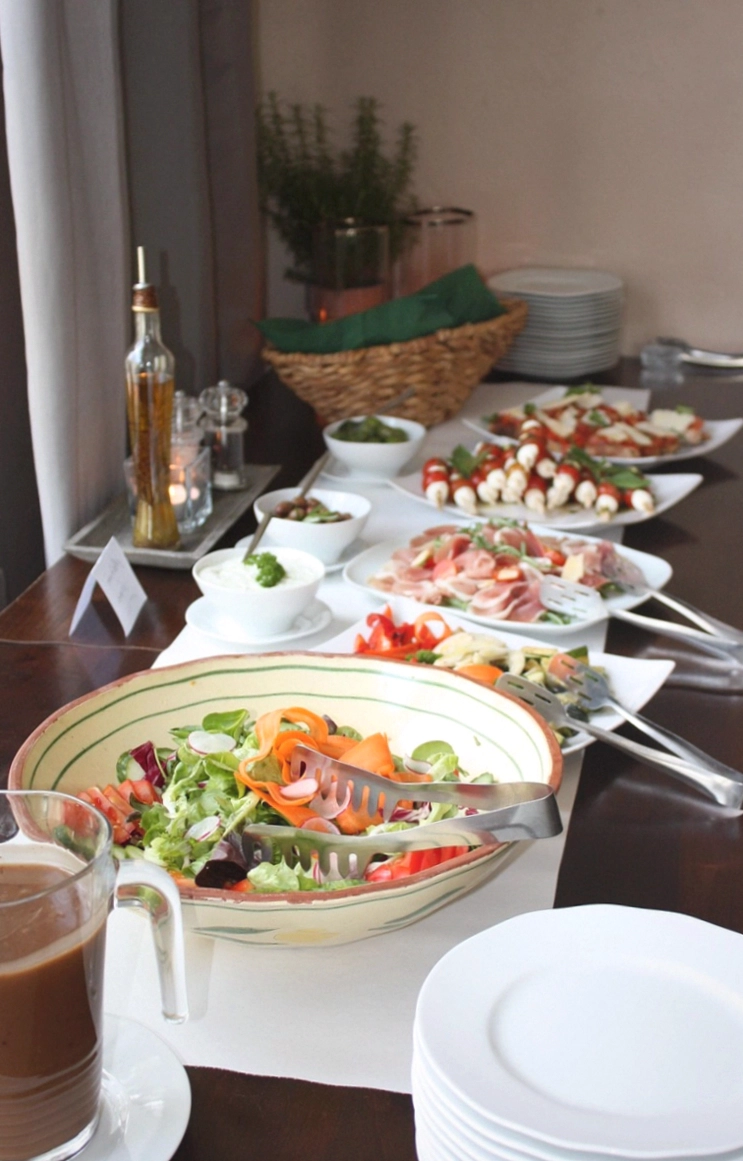
Summer: stone fruit, tomatoes, seafood at its peak, cold stations that work in the heat. Outdoor events shine but keep dairy-heavy dishes in the shade.
Autumn: the sweet spot for weddings. Grapes off the vine, mushrooms, root veg coming on, lamb at its best. Most forgiving season for menu building.
Winter: braises, slow roasts, hearty grains. The season for comfort food events and the cheapest premium proteins of the year.
Spring: asparagus, peas, new lamb, artichokes. Fresh green everything, though prices on early-season items can spike before the flood of supply arrives.
- Seasonal swaps save 10–15% on the food bill.
- Autumn is the easiest season for event menus in SA.
- In-season produce removes supply risk too.
- Ask your caterer what's good right now, not what was good last year.
The budget case
Swapping out-of-season items for seasonal equivalents typically saves 10 to 15% on the produce line, and nobody at the table will ever know asparagus was traded for broccolini. On a 120-person wedding that's real money — enough for the late-night snack tray or an upgraded dessert course.
The other budget win is supply certainty. In-season SA produce doesn't get stuck in transit or substituted at the last minute. Off-season anything is one truck delay away from a menu panic.
How we build menus seasonally
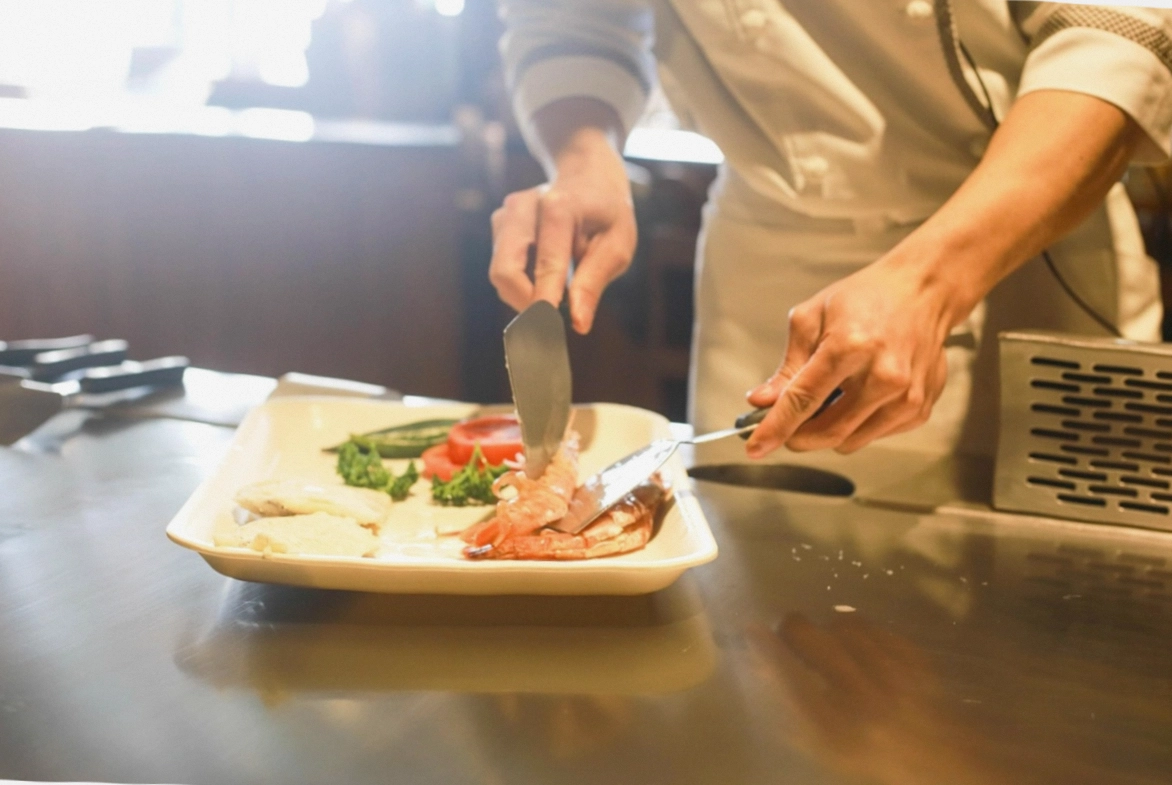
Every custom menu starts with a market list, not a recipe book. We check what's actually at the markets that week, build around the proteins you want, and flag any item that'll cost a premium to import. You approve the final list with eyes open.
Fixed-package menus get the same treatment quarterly, so the packages on our pricing page change with the seasons even though the prices don't. For big outdoor events, our BBQ menus shift seasonally too — summer seafood grills become winter smokehouse feasts.